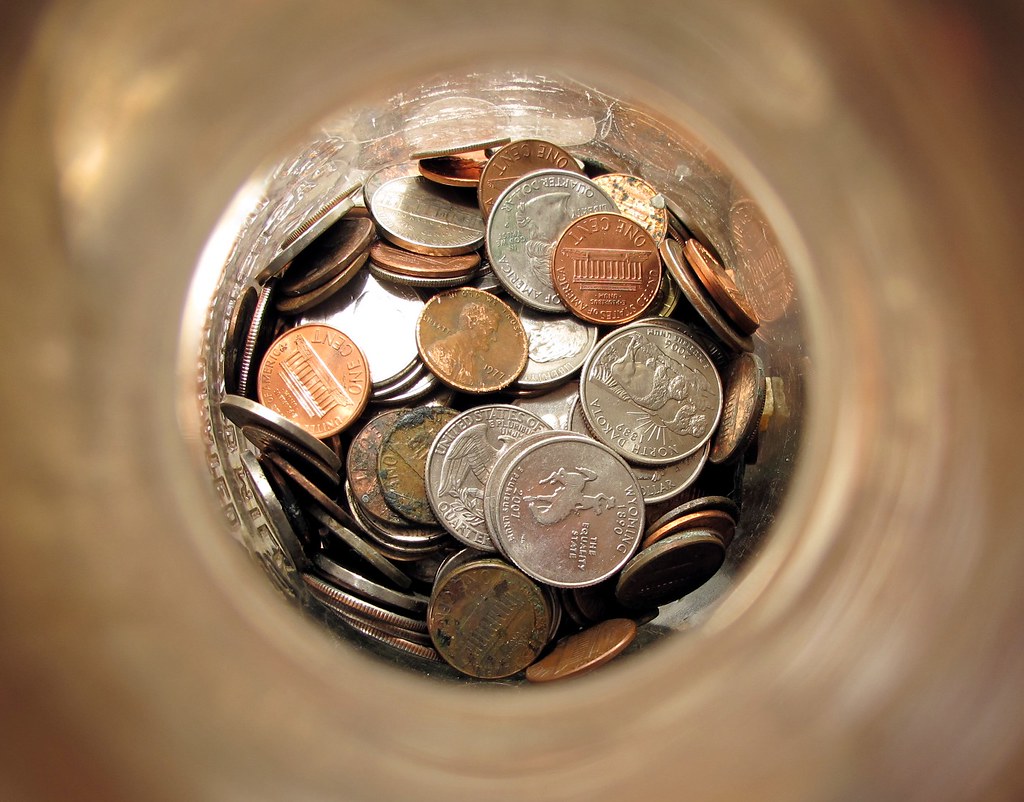
Grandma passed in March. By September, the $42,000 she had carefully scrimped and saved was down to $6,400 and a regret-soaked Amazon order history. That is not an unusual story; it is a typical one. Whether the windfall lands as an inheritance, a legal settlement, an insurance payout, long-vested stock options finally cashing out, or even a lucky streak at the sportsbook, the research and the patterns say the same thing: lump sums evaporate fast when they are treated like prize money instead of capital. The good news is that a handful of unglamorous, specific moves can keep the money working for you instead of the other way around.
Why windfalls feel different from regular money
Windfall money feels like Monopoly cash because it is not tied to effort. Your brain tags it as “extra,” and “extra” gets spent first. Behavioral economists call this mental accounting, and it explains why a $10,000 tax refund disappears in a weekend while the same $10,000 in your paycheck somehow pays for groceries, tires, and a leaking water heater. The money is not really extra. It is yours now, which makes it the most dangerous kind of money you will ever hold: a lump sum with no instructions attached.
The trap is not stupid spending. It is the slow version: a slightly nicer car, a small home renovation that balloons, a “no big deal” loan to a family member, a freelance sabbatical that stretches. Six months in, the money feels normal, and your lifestyle has quietly grown to match it. Twelve months in, you do not remember what it felt like to not have it.
The 30-day pause that does most of the work
The single highest-leverage thing you can do is also the easiest: park the money in a separate high-yield savings account and do absolutely nothing with it for thirty days. Not “think about it.” Not “research options at night.” Nothing. Open the account at a different bank than your main one, ideally one with no debit card linked, so accessing it requires a transfer that takes a day.
This does three things. It moves the money out of sight, which removes the dopamine loop of checking the balance. It gives your emotional brain time to stop treating it like a windfall and start treating it like capital. And it gives you the one resource nobody feels like they have when a check lands: time. Most “instant” financial decisions made in the first week are decisions you will wish you had slept on. The 30-day rule is not a productivity hack. It is the cheapest financial advisor you will ever hire.
Build a triage list before you touch the money
At the end of the pause, write down every claim on the money, ranked. A usable triage list looks something like this:
- Taxes. Inheritance taxes are rare for most estates, but settlements, stock sales, and some insurance payouts can generate a real bill. Set aside 25 to 35 percent if there is any ambiguity, and confirm with a CPA before you commit.
- High-interest debt. Anything above about 8 percent APR gets paid off in the first wave. That is typically credit cards, store financing, and some personal loans.
- Emergency fund gap. If you do not have one to three months of essential expenses in cash, fill that gap first. No investment return is worth the cost of putting a car repair on a credit card.
- Retirement accounts. Maxing out an IRA or HSA, or backfilling last year’s contribution if you missed the window, often gives you the best risk-adjusted return available, especially in a tax-advantaged wrapper.
- Long-term investing. Whatever is left goes into a brokerage account invested in low-cost index funds. Not a friend’s business. Not a “can’t lose” crypto project. Index funds.
- One meaningful spend. Yes, you should spend some of it. People who deny themselves any enjoyment from a windfall often backslide hard later. The point is that this category is the smallest, not the largest.
The “feel-good envelope” trick
If you have ever watched lottery winners end up broke, the missing piece is usually the absence of a visible reward. The brain needs to feel the win, or the win did not happen, and it goes looking for another hit. Pre-empt that.
Take 5 to 10 percent of the windfall and spend it on something tangible within the first six months. A trip. A piece of jewelry you will still wear in ten years. A high-end tool that replaces a tool you have been making do with. The specific item does not matter; what matters is that your brain has a clear, dated memory of the money producing real joy. People who skip this step are the ones who secretly drain the rest on small, forgettable purchases that add up to nothing.
When a fee-only advisor is actually worth it
You do not need a financial advisor for $5,000. You probably do not need one for $50,000 if you have the time and temperament to follow the triage list above. The number where professional advice pays for itself is usually somewhere around $250,000 to $500,000 in investable assets, or earlier if the windfall came with complications: a business, rental property, stock in a private company, or an ongoing legal matter.
If you do hire someone, pay them a flat fee or an hourly rate. Never pay a percentage of assets under management on a windfall, and never work with someone whose first move is to sell you a whole-life insurance policy. Look for the designations CFP or ChFC, ask whether they are fiduciaries in writing, and expect the first conversation to take an hour and cost somewhere between $200 and $500. A good advisor will talk you out of a third of what you thought you needed to do. That is the job.
The 12-month check-in
Twelve months after the windfall, sit down with a single sheet of paper and answer four questions. Did the money grow, hold, or shrink? Did it buy me anything I would still choose to buy again? Did it change my relationships, and how? And: would I make the same decisions if a similar amount showed up tomorrow?
You will not ace the test. Almost nobody does. The point is not to feel virtuous; it is to convert a one-time event into information you can use. Windfalls are rare. The patterns you build around them are not.
The boring truth is that most people do not lose windfall money to bad investments. They lose it to slow drift, generous relatives, and a feeling that any money without effort attached is somehow temporary. It is not. Treat it as the most serious money you have ever had, and it usually stays around long enough to matter.
Image: “dip into savings” by frankieleon, used under CC BY 2.0 (https://creativecommons.org/licenses/by/2.0/). Source: Flickr (https://www.flickr.com/photos/23307937@N04/5638958705).