The Real Question Isn’t Whether You Can DIY—It’s Whether You Should
Every tax season, millions of people overpay for help they didn’t need, while others skip help that would have saved them thousands. DIY software now handles more than 140 million federal returns a year, and professional prep runs about $200 to $600 for a straightforward Form 1040. Neither path is automatically better. The right answer depends on how complex your return actually is, how much tax you owed last year, and whether you’re willing to read a few pages of IRS instructions carefully.
If your situation is a single W-2, no investments, no rental property, no side hustle, and you take the standard deduction, you can file in under 30 minutes with a guided product. If you have any of the following, the calculus shifts:
- Self-employment income or 1099 work totaling more than a few thousand dollars
- Rental properties, K-1s from partnerships, or trust income
- Stock sales, options, or cryptocurrency transactions
- Significant medical expenses, casualty losses, or itemized deductions
- A move between states, dual residency, or foreign income
- A divorce, a death in the family, or a home purchase with mortgage points
None of these automatically disqualify you from DIY. They raise the cost of a mistake. The cost of a wrong number on a $60,000 W-2 is very different from the cost of one on a $40,000 freelance income with deductible expenses you might not know exist.
The DIY Software Tiers, Honestly Ranked
Free File (IRS Direct or Provider Partners)
If your adjusted gross income is below the IRS Free File threshold (roughly $79,000 for 2025 returns), the IRS or its partner providers will file federal returns at zero cost through branded software like TurboTax, TaxAct, or FreeTaxUSA. The catch: state returns usually cost extra, and “free” sometimes means free for federal but you must upgrade for the state add-on your state legally requires. Read the offer page before you start. If your income is under $25,000 with no dependents, IRS Direct File is the cleanest option, with no upsells.
Mid-Tier Paid Software ($60–$120)
This is the sweet spot for most people with a moderately complex return. You’ll get stock sale imports, deduction finders, audit risk meters, and live chat support from a real human. TaxAct and FreeTaxUSA consistently win on price; TurboTax wins on polish and breadth of state forms. H&R Block sits in between. The tax math is identical across these products for the vast majority of returns—they all run the same IRS-certified calculation engine. You’re paying for the interface, the imports, and the support.
Premium DIY ($130–$220)
You only need this tier if you have self-employment income, rental properties, or investment income that requires Schedule C, Schedule E, or Form 8995. The extra cost unlocks those schedules and adds a human review before you file. Don’t pay for it just because the upsell screen suggests you might need it.
When You Actually Need a CPA or Enrolled Agent
Three situations make professional help worth the fee.
You’re a freelancer or contractor earning more than $25,000 a year. A good preparer will find home office deductions, mileage, equipment write-offs, retirement contributions (SEP-IRA or Solo 401(k)), and quarterly estimated tax planning most people miss. The fee often pays for itself in the first ten minutes. If your tax bill is more than $5,000, professional planning is almost always cheaper than the missed deductions.
You had a major life event. Divorce, inheritance, a business sale, an expatriate return, or an IRS notice from a prior year all benefit from a credentialed preparer (CPA, EA, or tax attorney). DIY software isn’t built for them, and the IRS penalty structure is unforgiving.
You got a letter from the IRS. Don’t DIY a response to an audit notice. A CPA or EA can represent you; you cannot, and the letter usually requires a specific response within 30 days.
The Mistakes That Quietly Cost Real Money
- Skipping quarterly estimated taxes. If you owe more than $1,000 at filing time and didn’t pay enough during the year, the IRS charges an underpayment penalty. It’s small, but it’s avoidable with a 15-minute setup of automatic payments in April, June, September, and January.
- Missing the Saver’s Credit. Roughly one in five eligible filers leaves this on the table. If your income is under about $43,500 and you contributed to a retirement account, the software usually finds it, but verify that it did.
- Forgetting state-required adjustments. A handful of states don’t conform to federal student loan interest deductions or to certain energy credits. The state return screen catches most of these, but only if you actually open it.
- Wrong basis on stock sales. If you sold investments at a loss but the cost basis your broker reported is wrong (this happens often with reinvested dividends or with transfers from old accounts), the IRS will tax the wrong number unless you correct it on Form 8949 before submission.
- Misclassifying workers. If you paid someone $600 or more in cash to help with a household or business task, skipping a 1099-NEC isn’t the clever move people think. The penalties are flat ($60 per form the first year, $120 the second, $630 the third) and they’re automatic.
After You File: The 30-Day Check
Most people file, get their refund or pay their bill, and never look at the return again. Spend ten minutes, about three weeks after you file, doing these three things.
Check your AGI on the tax transcript you can pull from IRS.gov. Confirm the IRS has your correct direct deposit information or mailing address. If you spot an error, file Form 1040-X to amend. You have three years from the original due date.
If you owed money, set up a payment plan or confirm the IRS withdrew the funds. If you’re expecting a refund, the IRS Where’s My Refund tool is more accurate than the software’s tracker.
Finally, save a digital and physical copy of the full return, all schedules, and the confirmation page for at least seven years. The IRS can audit you for that long, and you’ll thank yourself the first time you need to verify a number from a prior year.
The Bottom Line
For most filers, mid-tier DIY software at $60 to $120 produces a return mathematically identical to what a professional would produce at four to ten times the price. Spend the savings on a single hour of consultation with a CPA or EA for planning—especially in October or November, when their phone actually rings—rather than on a $400 prep bill in April. Cheap DIY filing plus occasional strategic advice beats either extreme for most households.
Where pure pro still wins: self-employment income above roughly $25,000, any IRS notice, any major life event, and any return where the tax owed is more than you’d want to gamble on an underpayment penalty. Outside those lanes, the software has caught up.
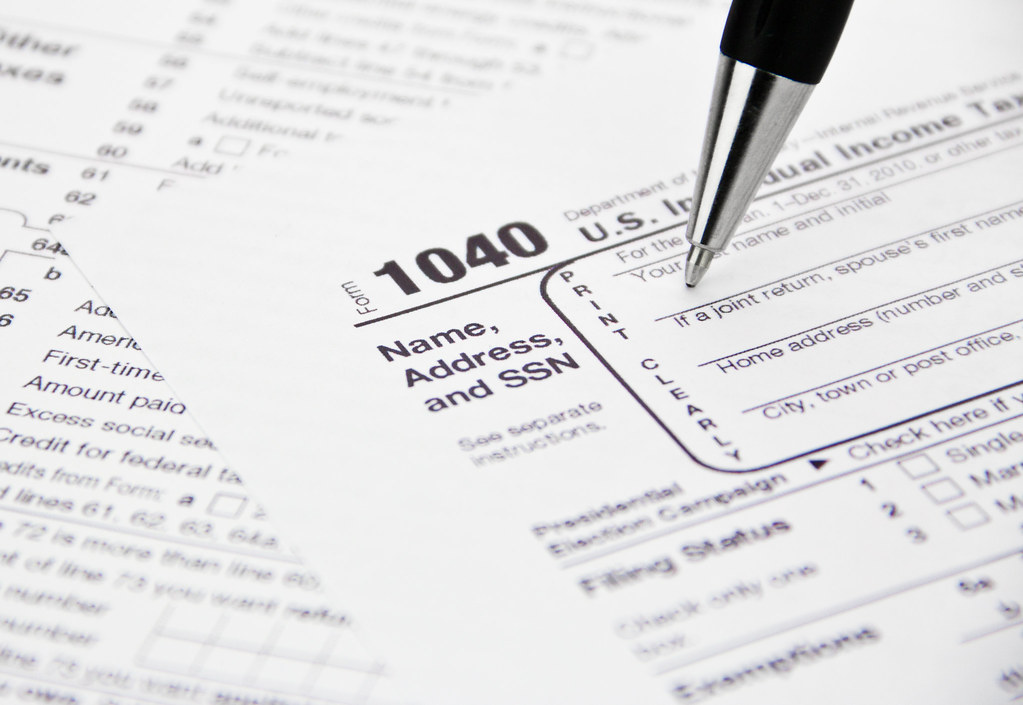
Image: “IRS 1040 Tax Form Being Filled Out” by kenteegardin via Flickr, licensed under CC BY-SA 2.0.