What wedding insurance actually is
Special-event insurance is a short-term policy, usually priced between $100 and $500, that protects the couple against a small set of catastrophic things going wrong on or near the wedding day. Most policies are underwritten by mainstream carriers such as Travelers or Markel and sold through event-specialist brokers like WedSafe, EventHelper, and Wedsure. The core product has not changed much in a decade: you pay a premium, the carrier agrees to cover specific losses up to a stated limit, and you walk away with nothing if none of the listed scenarios occur. The mistake most couples make is treating wedding insurance like health insurance. They assume it covers anything that goes wrong. It does not. It only pays out for the specific perils spelled out in the contract, and the contracts are short, lawyerly, and full of exclusions.
The three coverages and what each one actually does
Most event policies bundle three distinct protections. Knowing which is which is the single biggest factor in deciding whether to buy.
Cancellation and postponement coverage. This reimburses you for non-refundable deposits and signed contracts if the wedding has to be called off or pushed to a new date for a covered reason, usually serious illness of the couple or an immediate family member, death, military deployment, severe weather that makes the venue unusable, or a vendor going bankrupt before the event. Coverage is typically capped at the face value of the policy, often $7,500 to $25,000, and it is the part most couples think they are actually buying.
Liability coverage. This pays medical or property-damage bills if a guest is hurt or something of the venue’s gets broken. Most wedding venues, especially historic houses, country clubs, hotels, and wineries, require you to carry $1 million in general liability before they will sign the contract. If your homeowner’s or renter’s policy already extends to the event, you may not need a separate buy.
Venue and property coverage. This reimburses you if rented items, the dress, the rings in transport, photo gear, gifts, or even the cake are damaged. Limits are usually low: $1,000 to $10,000 per item, and almost every policy contains a separate sub-limit for jewelry.
What it actually pays out for
The cleanest pay-outs come from a small set of situations:
- The venue burns down, floods, or is condemned within a week of the event.
- The photographer, DJ, or caterer files for bankruptcy or simply disappears with your deposit in the final 30 days.
- The bride, groom, or an immediate family member is hospitalized or dies.
- A hurricane, wildfire, blizzard, or comparable weather event grounds flights and shuts roads.
- The officiant is in a serious accident.
These are the scenarios the underwriters actually built the product around. Anything outside the list is a fight, often a losing one.
What it does not cover
This is the part the glossy brochure buries on page four.
- Cold feet by either party. Change of heart is universally excluded.
- Non-refundable deposits lost because you cancelled for a reason not on the list: a scheduling conflict, family drama, a job offer in another city, or just feeling not ready.
- Vendor disputes over quality. If the food was bad or the DJ played the wrong set, that is a contract dispute, not an insurance claim.
- Wedding rings lost or stolen after the ceremony. Most policies specifically exclude high-value jewelry past the ceremony date, so you want a separate personal-property rider for that.
- Illness of an aunt, cousin, or friend. Only the couple, parents, grandparents, children, and siblings count as “immediate family” in the standard contract.
- Pre-existing medical conditions that were not disclosed at application.
When the few hundred dollars is genuinely worth it
Buy wedding insurance when one or more of these is true:
- Your total deposits plus signed contracts exceed the cost of the policy by a factor of ten or more. A $300 policy sitting on top of $25,000 in vendor deposits is a no-brainer.
- You are having a destination wedding, where the cost of bringing everyone back together a second time is enormous.
- Your venue requires liability coverage as a condition of the contract and your homeowner’s or renter’s policy does not extend.
- The wedding falls during hurricane, wildfire, or severe-weather season and the venue is not a hardened building.
- You are paying more than $5,000 in advance to a single vendor, especially a small caterer, photographer, or planner whose business continuity is questionable.
When to skip it
Skip the policy when the wedding is small, the deposits are modest (say, under $3,000 total), and your own homeowner’s or renter’s insurance will extend liability to the event. A courthouse wedding with a backyard dinner does not need a policy. A 200-person destination wedding in Cabo with four-figure deposits to a planner, photographer, and florist absolutely does. Most couples fall somewhere in between, and the right answer depends on the dollar exposure, not the wedding’s emotional size.
How to actually buy it without overpaying
Get quotes from at least three brokers. WedSafe, EventHelper, and Wedsure are the three most commonly recommended. Quote the same coverage limits and the same deductible (usually $250) so the comparison is apples to apples. Buy the policy the day you sign the first non-refundable contract, not three months later. Most carriers backdate coverage to your first deposit only if you buy within 14 to 30 days. Read the exclusions list, not the marketing. And skip the “premium” upgrades like jewelry floater or honeymoon cancellation unless you have priced them separately. They are usually cheaper as standalone travel or renters policies.
The traps that catch couples
Three things bite couples repeatedly. First, the vendor-no-show clause usually requires the vendor to actually have been paid through traceable means. If you handed a photographer $2,000 in cash in a parking lot and they vanish, the carrier can deny. Pay by card or check and keep the receipts. Second, “cancellation for any reason” riders exist, but they typically reimburse only 50 to 75 percent of your costs and add 30 to 50 percent to the premium. They are a luxury, not a substitute for judgment. Third, the policy must be in place at the time of the covered event. Buying it after the fire, the illness, or the bankruptcy is fraud and will not pay out, no matter how sympathetic the claim.
Treat wedding insurance like any other contract: read it, understand what you are actually paying for, and walk away if the math does not justify the premium.
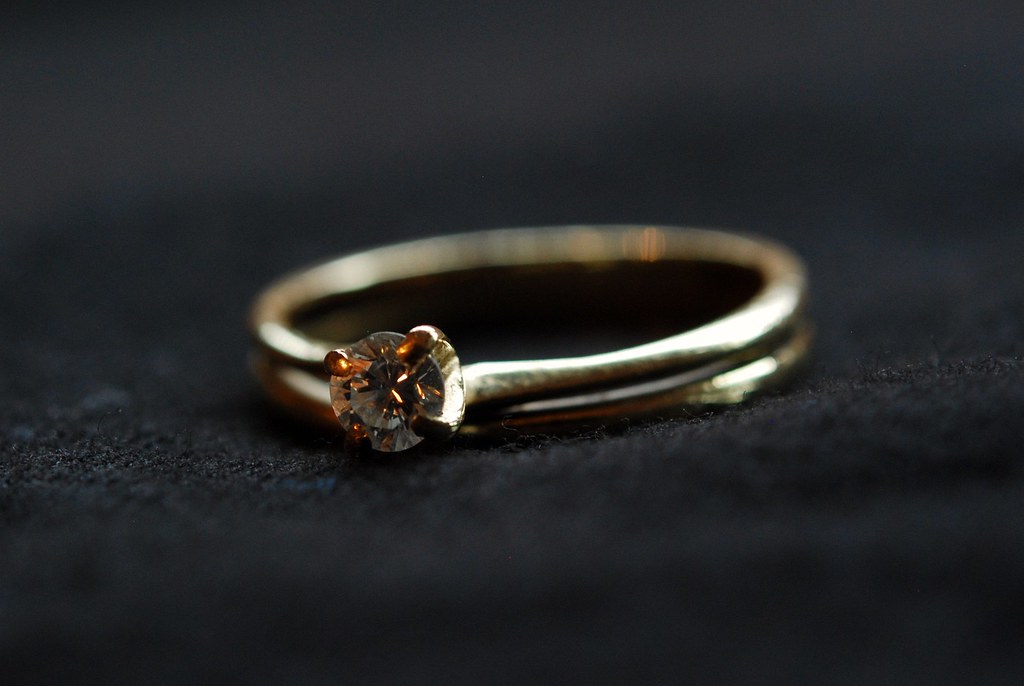
Image: “My Engagement and Wedding Rings” by slgckgc via Flickr, licensed under CC BY 2.0.