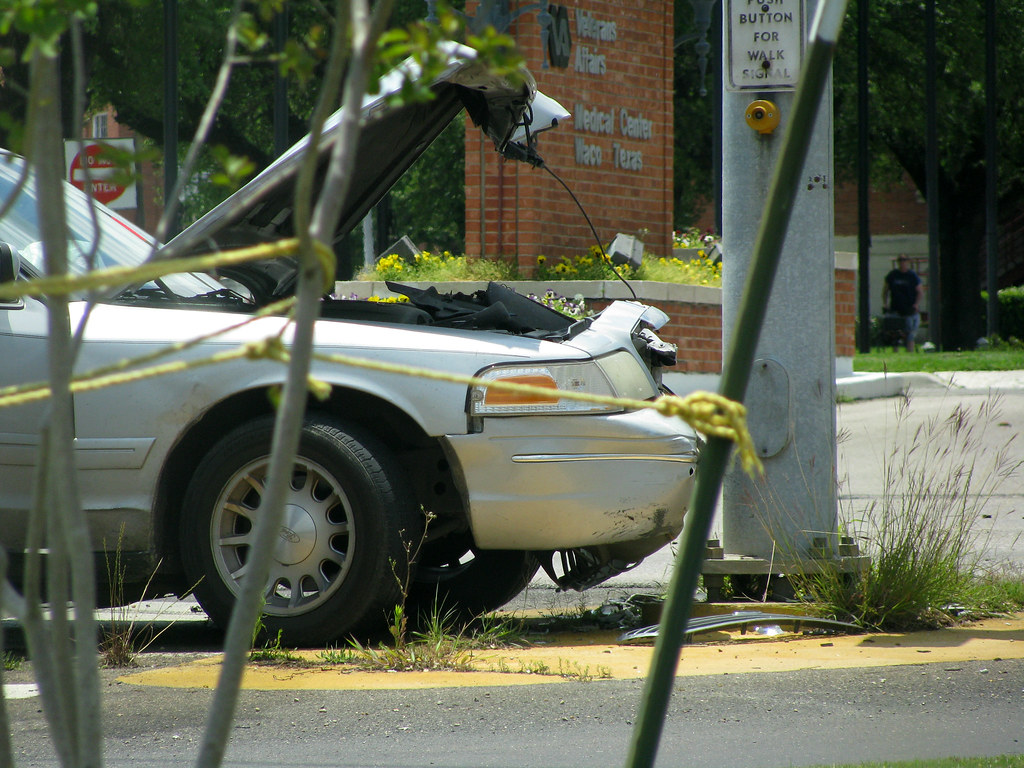
When the Adjuster Says “Total Loss,” That’s Just the Opening Move
Getting told your car is a total loss feels final, but it is really the start of a process that is heavily tilted in your direction if you do three things: slow down, document everything, and push back when the numbers don’t add up. The first call to your insurance company should be brief and factual – report the accident, decline to give a recorded statement until you have done your own homework, and ask when the adjuster will send the actual cash value (ACV) report. Insurers use a database called CCC One to generate these offers, and the offers are frequently low by 10 to 25 percent. That gap is yours to capture if you know how to challenge it.
What “Actual Cash Value” Actually Means (and What It Doesn’t)
ACV is supposed to be the fair market value of your car immediately before the loss, not the replacement cost of a new vehicle, and not the loan payoff. Insurers calculate it using comparables in your zip code, usually within a 75-mile radius, looking at dealer listings and private-party sales. The mistake most people make is accepting the first number. Before you sign anything, pull your own comps from AutoTrader, Cars.com, CarGurus, and KBB Instant Cash Offer. Get screenshots with dates. If your car had recent tires, brakes, a new battery, or an upgraded stereo, get receipts. Adjusters can add reconditioning credits for documented upgrades, and the offer can move by hundreds or thousands of dollars.
The Personal Property Coverage Most Drivers Forget
Most auto policies include a small amount of personal property coverage (often $500 to $1,000) for items damaged or stolen during an accident. The work laptop crushed under the crumpled seat, the child seat that absorbed the impact, the prescription sunglasses now in pieces, the golf clubs in the trunk – those are all separate claims under your auto policy, not your homeowner’s or renter’s. Photograph the interior of the car before anything is hauled off or removed by the salvage yard. Save every receipt for anything you have to replace in the next 30 days. The insurer will not remind you about this coverage, and the average forgotten personal property claim pays out a few hundred dollars that most drivers never collect.
If You Owe More Than the Car Is Worth (the GAP Question)
GAP insurance covers the difference between what you owe on the loan and what the insurer pays out. Without it, you can owe $18,000 on a car the insurer values at $14,000 and walk away with nothing – or worse, still owe $4,000 to the lender. If you financed through a dealer, you almost certainly paid for GAP and don’t remember; check your finance contract under “add-ons” or “service contracts.” If you have GAP, the administrator pays the lender directly and you receive any remaining ACV check. If you don’t have it, ask the lender about a one-time “deficiency waiver” or restructuring the balance into a new loan. Some lenders will work with you; most will not, so ask early before the payout check arrives.
Negotiating the Payout: Scripts That Actually Move Numbers
When the first offer comes in low, respond in writing with your comps attached. State the make, model, year, trim, mileage, and condition, and attach screenshots showing three to five comparable vehicles currently listed or recently sold in your area. Ask the adjuster to identify the comparable they used and request a line-item breakdown of how the ACV was calculated. Common lowball tactics include using private-party values when dealer retail values are appropriate, deducting for “typical reconditioning” you never agreed to, ignoring regional premiums for trucks and SUVs in supply-constrained markets, and using comps more than 100 miles away. Polite persistence wins here. A second or third round of written correspondence routinely adds 10 to 20 percent.
Salvage Title: Keep It, Sell It, or Walk Away?
After payout, you usually have the option to buy the car back at its salvage value (often 15 to 25 percent of the ACV) and take a salvage title. Whether to do this depends on three things: the extent of the damage, your state’s re-titling and inspection process, and your long-term insurance outlook. Some carriers will not cover a salvage-titled vehicle, or will only offer liability coverage, which is rarely worth the saving. Resale value drops sharply – often 40 to 60 percent – and many lenders will not finance a salvage-titled vehicle. A salvage title is rarely the right move unless the car has sentimental value, the damage is genuinely cosmetic, and you have already secured full coverage in writing.
The Rental Car Timeline That Quietly Costs You
Most policies cover a rental car for a specific number of days after a total loss, often 7 to 21 days, but the clock usually starts on the date of the loss, not the date the offer arrives. If negotiations take three weeks, you can easily run out of rental coverage and pay out of pocket while waiting. Push for an extension in writing before coverage lapses, and ask whether your policy pays “loss of use” damages if you were not at fault. If another driver caused the accident, their liability carrier should pay for your entire rental period during repair or until payout – file that claim directly with their insurer rather than waiting for yours to chase it down.
Don’t Sign Anything Until the Loan Payoff Quote Is Final
The single biggest mistake people make is signing the ACV check over to the lender before the lender’s payoff quote matches the check exactly. Lender payoff quotes include accrued interest and fees that change daily, and the amount on the check is often $200 to $400 short of the payoff. Do not endorse the check until you have a 10-day payoff quote dated within the last 48 hours. If there is a shortfall, it is yours to cover out of the difference. Some states require lenders to refund excess funds within a specific window, so ask about that too before you write the lender any check.
Three Final Moves That Save Real Money
- File a diminished value claim with the at-fault driver’s insurer. Even if your car is totaled, prior accident history on the title reduces future resale, and most states allow you to claim that loss separately.
- Keep every receipt for towing, storage, rental car extensions, and ride-share trips. Reimbursement for reasonable accident-related expenses is often buried in policy language that adjusters will not volunteer.
- Ask about a “total loss payout review” in writing. Every major insurer has a formal second-look process, often handled by a different adjuster. It is not adversarial – it is just a quality check, and it frequently catches undervaluation worth four figures.
Photo credit: Athrasher via Flickr, CC0.