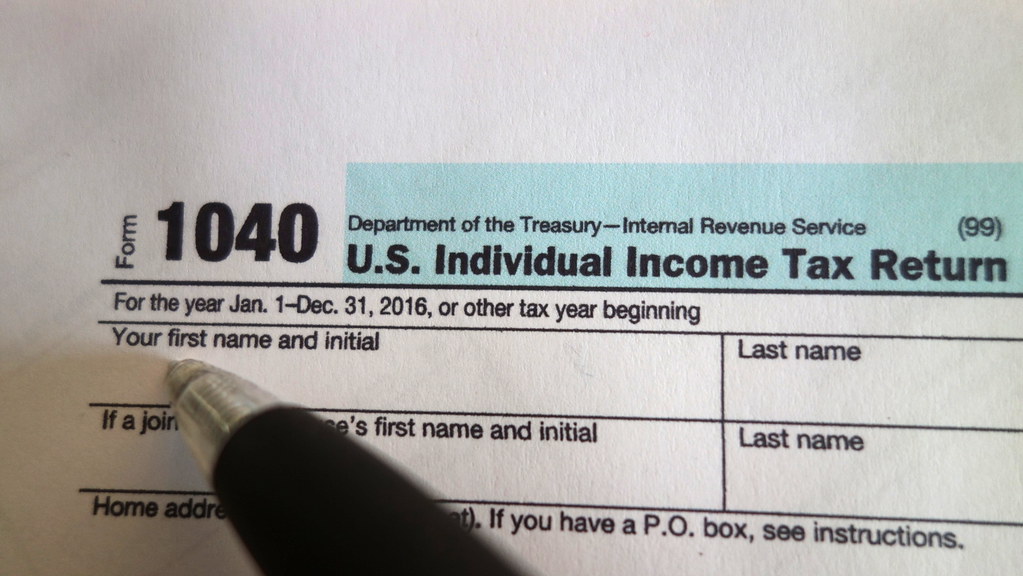
What a real audit actually is (and isn’t)
The first envelope from the IRS feels apocalyptic. In practice, an “audit” is almost always a request for records, a question about a single line on your return, or — far less often — a face-to-face meeting at an IRS office. The IRS calls the most common version a “correspondence audit,” and you handle it through the mail or a secure online portal. The full-room, sit-across-from-an-agent version that everyone pictures accounts for a small fraction of cases.
The dirty secret: most correspondence audits resolve with no change to your refund. The agency pulls a sample, you send the documentation, and an examiner either accepts the return or proposes an adjustment on a specific item. People panic because they imagine the worst. You do not have to.
What tends to trigger one in the first place
The IRS does not pick returns randomly for most of what you actually get. Three categories cover the majority of correspondence audits:
- Math and data-matching problems. Your W-2 said you earned $74,200. Your return said $41,200. The IRS computers caught the gap before a human ever touched your file. Same thing happens with 1099s, unemployment compensation, and health insurance forms. The fix is usually a corrected return, not a penalty.
- Schedule C red flags. Self-employed filers get more scrutiny, especially in industries where the IRS has built models: gig drivers, online sellers, day traders, content creators, and cash-heavy service businesses. A Schedule C with $18,000 in “other expenses” and no documentation is the classic trigger. So is claiming a home office or vehicle deduction that looks outsized relative to the income.
- Itemized deduction outliers. Charitable contributions that exceed roughly 60% of AGI, massive medical deductions, or casualty claims after a major weather event draw extra eyes. The IRS publishes “norms” for each deduction by income bracket; if your numbers sit well outside the norms, you get a letter.
Earned Income Credit, Child Tax Credit, and the Saver’s Credit also draw disproportionate scrutiny because historical refund rates on those credits are higher. None of this means you did anything wrong. It means your return looked statistically interesting.
What the IRS actually asks for
The first letter (usually a CP2000, CP3219A, or an “Information Document Request”) is specific. It will name the tax year, the line item in question, and exactly what documents they want. You will not be asked for “everything.” Common asks include:
- Copies of all 1099s and W-2s for the year
- Receipts, statements, or mileage logs supporting a specific expense
- Bank statements for a particular account or month
- A reconciliation if you reported different income than an information return
- Form 886-H-DEP or 886-H-EIC supporting documents if a credit is in question
You typically have 30 days to respond, and you can request an extension by phone. Skipping the deadline is the worst move — it shifts the case from “question” to “default assessment,” at which point the IRS just bills you for what they assumed and you lose the ability to argue the math.
The moves that make it survivable
Three habits separate people who close audits cleanly from people who turn them into years-long problems:
1. Send copies, never the only documents.
Keep your originals. Send clear photocopies or printouts, organized in the order the IRS asked for them. Include the IRS letter on top so the examiner sees immediately what they requested. A one-page cover sheet that says “Per your letter dated X, here are the documents requested for tax year Y” makes their job easier and yours faster.
2. Stay inside the scope.
The examiner asked about your charitable deduction. Do not include five years of unrelated receipts, do not volunteer explanations about other parts of your return, and do not write a five-page letter about your philosophy of giving. More material = more chances for them to notice something new.
3. Keep a paper trail.
Send everything by certified mail or upload through the IRS document upload tool (idoc.irs.gov). Save the confirmation. Note every call with the IRS in a single document with date, agent name, badge number, and what was said. If the case later gets reassigned, that paper trail protects you.
When you actually need a pro
You do not need a CPA or tax attorney for a routine CP2000 over a $400 reporting discrepancy on your 1099. You probably should get one if any of the following are true:
- The letter is from the IRS Office of Chief Counsel, not a service center.
- The proposed adjustment is more than $10,000.
- The issue involves a business with employees, payroll taxes, or trust fund recovery.
- You have unreported foreign accounts, cryptocurrency transactions over $50,000, or a structured transaction history.
- You genuinely do not understand what the IRS is asking for.
For the high-stakes cases, a CPA can handle most correspondence audits. A tax attorney is the right call when the issue could move toward criminal referral or when you genuinely need someone with a legal shield around your conversations. Enrolled Agents — federally licensed tax practitioners — sit in the middle and charge less than attorneys for routine representation.
What to do the moment the letter arrives
Open it, photograph it, and read the deadline. Confirm the letter is genuine: real IRS notices include a notice number (CP2000, CP3219A, etc.), reference a specific tax year, and arrive by mail or in your IRS online account. Phone calls demanding immediate payment via wire transfer or gift card are scams, full stop.
Pull the tax year’s return, the documents that back the line item in question, and any records the IRS named. If you can answer the question cleanly, draft your response in a single page. If you cannot, decide whether the dollar amount justifies a professional. Most importantly: respond before the deadline, even if your response is a polite request for more time.
The IRS is bureaucratic, slow, and largely predictable. Audits that drag on for years almost always do so because of silence, missing paperwork, or escalation driven by the taxpayer — not because the agency is hunting anyone down. Calm, documentation, and a clear response are the three things that close most of these out within ninety days.
Image credit: “IRS 1040 Form Being Filled Out – Doing Taxes” by Senior Guidance, via Flickr, licensed under CC BY 2.0.