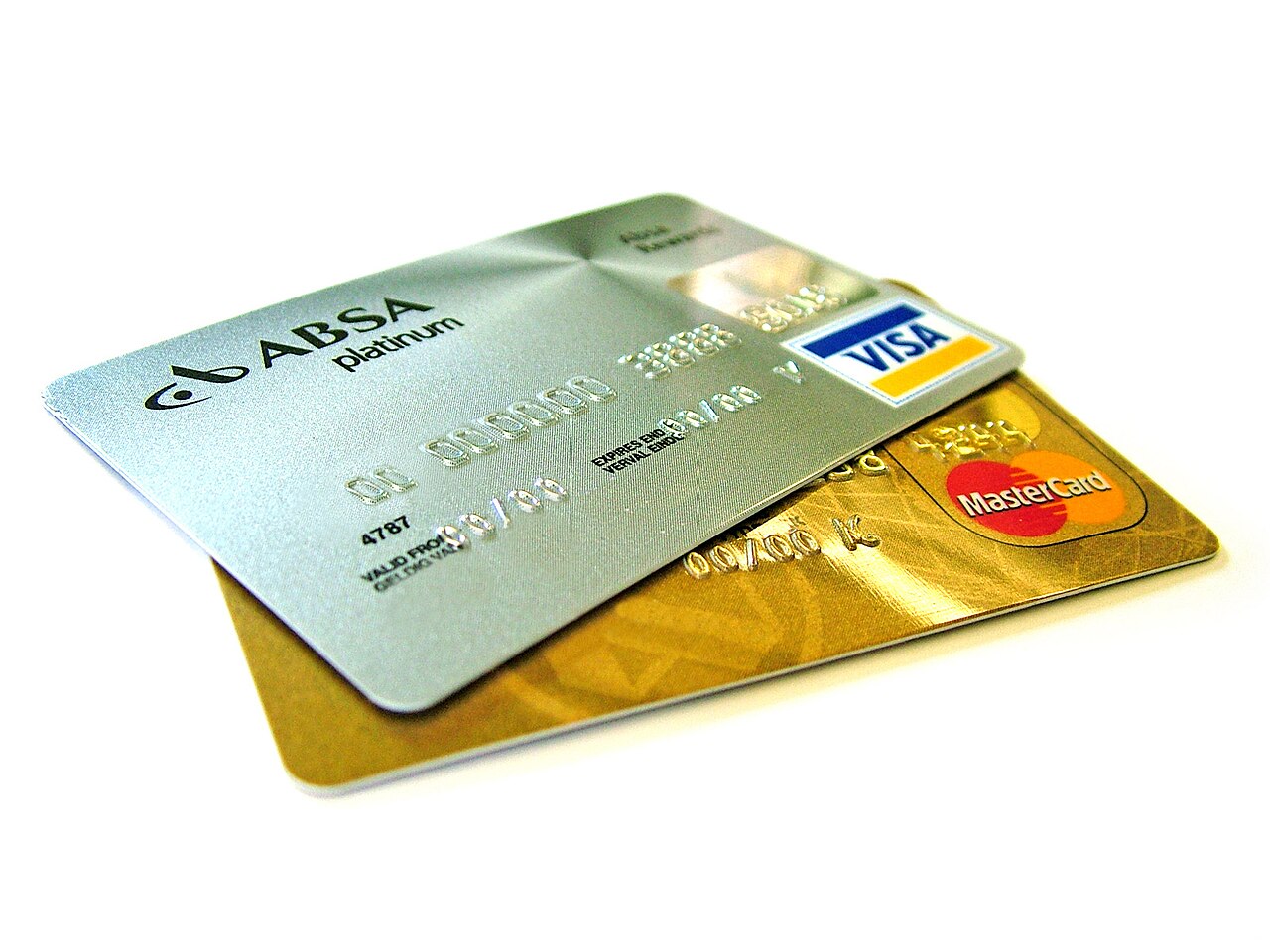
Credit card rewards are a multi-billion dollar transfer from banks to organized consumers
Banks and card networks earn billions in interchange fees from merchants (typically 1.5–3.5% of every transaction). Premium rewards cards return a portion of that to cardholders as points, miles, or cash back. The people who understand the system capture the value; the people who carry balances pay for it.
Rule one, non-negotiable: never carry a balance. A 24% APR interest charge eliminates two years of rewards earnings in one billing cycle.
The Foundation: 2% Cash Back on Everything
If you have one card and want simplicity, the Citi Double Cash or Fidelity Visa (both 2% on everything, no annual fee) beats 95% of consumer behavior. Most people leave value on the table by using a card that earns 1% or by using a rewards card wrong (e.g., using a travel card for gas and groceries at 1x points).
The Points Maximizer Approach
Serious rewards optimization uses category-specific cards:
Dining and entertainment: Capital One Savor or American Express Gold (4x points on dining) — at $10,000/year in restaurant spending, that’s 40,000 Amex points or $400 in value vs. $200 from a 2% card.
Groceries: Amex Blue Cash Preferred (6% at U.S. supermarkets, $95 annual fee) — at $6,000/year grocery spend, it earns $360 cash back vs. $120 from a 2% card, netting $265 after the fee.
Travel: Chase Sapphire Preferred ($95/year, 3x on dining and travel, transferable points to United, Hyatt, Southwest) or Amex Platinum ($695/year, 5x on flights, airport lounges, $200 airline credit).
The Transfer Partner Hack
Chase Ultimate Rewards and Amex Membership Rewards points are worth 1 cent each as cash back but often 1.5–2 cents each when transferred to airline and hotel partners. 100,000 Amex points redeemed as cash back = $1,000. The same 100,000 points transferred to Air France Flying Blue and booked on Delta flights in business class = $2,500–$4,000 in flight value.
The catch: award availability requires flexibility and advance planning. This optimization is for people who travel and are willing to spend 2–3 hours learning the transfer partner ecosystem.
The Annual Fee Calculation
A card with a $95 annual fee is worth it if it earns you at least $95 more than your current card. Calculate yours: (spending in bonus categories) × (bonus rate – 0.02) = additional earning vs. a 2% card. If that number exceeds the annual fee, keep it.
- One-card simplicity: Citi Double Cash or Fidelity Visa (2%, no fee)
- Best dining rewards: Amex Gold (4x dining, restaurants)
- Best grocery rewards: Amex Blue Cash Preferred (6% at supermarkets)
- Best travel points: Chase Sapphire Preferred or Reserve
- Best premium travel: Amex Platinum (if you use the credits)
Image: LotusHead (via sxc.hu) / Wikimedia Commons, CC BY-SA 2.5
The Points Ecosystem That Actually Pays Off
Credit card rewards optimization isn’t about collecting points across 15 cards. It’s about picking two to three cards that cover your highest spending categories and pairing them strategically. Most optimized setups use one fixed-rate card for baseline spend, one category-bonus card for your highest spending category (often travel or dining), and one store-specific card if you have a dominant retail relationship (Amazon, Costco, Target).
The fixed-rate anchor card matters more than most guides acknowledge. Chase Freedom Unlimited gives 1.5% on all spend; if you pair it with a Chase Sapphire Preferred or Reserve, those points transfer to airline and hotel partners, multiplying value from 1.5¢ to potentially 3–5¢ per point on premium travel redemptions.
Annual Fee Math: When It’s Worth It
The Chase Sapphire Reserve ($550 annual fee) and American Express Platinum ($695) look expensive until you account for the credits that offset them. The Sapphire Reserve gives $300 in travel credits, $60 in DoorDash credits, and $120 in Priority Pass lounge access value — on paper, that’s $480 in offsets before you use any points. The actual net cost for someone who travels frequently is $70–$150/year, which is easily justified by the 3x on travel and dining and the trip cancellation insurance alone.
For someone who doesn’t travel and won’t use lounge access: a no-fee 2% cash back card (Citi Double Cash, Wells Fargo Active Cash) is mathematically better. The math on premium travel cards only works if you actually use the perks.
Common Mistakes That Cost Points
Carrying a balance is the most expensive rewards mistake. A 24–28% APR on a balance makes any rewards earning irrelevant — you’d need to earn 24% back to break even. If you carry a balance, don’t play the rewards game. Pay the card to zero monthly or use a low-APR card exclusively.
Letting points expire is the second most common mistake. American Airlines miles expire after 18 months of inactivity; some hotel points after 12. Set calendar reminders for 6 months before expiration and make a small award booking or transfer to reset the clock.
Redeeming for cash when travel redemptions are available often leaves significant value on the table. Chase Ultimate Rewards redeemed for cash are worth 1¢/point. Transferred to Hyatt and used for a Category 5 hotel that would have cost $300 in cash: 4–5¢/point. Same points, 4–5x the value.
How to Start Without Opening Five Cards at Once
Open one card. Use it for 90 days. Evaluate: are you hitting the welcome bonus spend requirement comfortably? Are you paying the balance in full each month? Do you actually find the app easy enough to use? Only then consider adding a second card to cover a complementary spending category. The biggest risk in rewards optimization is making the system complex enough that you miss payments, carry balances, or lose track of which card to use where — any of those errors wipes out the reward value quickly.
The Multiplier Most Rewards Guides Undervalue: Welcome Bonuses
Welcome bonuses are the highest-yield component of credit card rewards programs for most people. The Chase Sapphire Preferred currently offers 60,000 points for $4,000 in spending in the first three months — worth $750–$1,200 in travel depending on redemption. For someone with a major expense already planned (a move, a renovation, a dental procedure), routing that spend through a new card while hitting a welcome bonus converts an unavoidable expense into substantial reward value. One important constraint: only open new cards when you can comfortably meet the minimum spend requirement without changing your normal spending behavior. Manufactured spending to hit bonus thresholds introduces complexity and risk that erases the value.