The Used Car Market in 2024 Is a Minefield, and Most Buyers Don’t Know It
Walk onto any used car lot or scroll through any online listing and you’ll see the same pattern: prices have climbed roughly 30-40% since 2019, while inventory remains below pre-pandemic levels. The cars for sale are also older — the typical used vehicle is now about 12 years old with 80,000+ miles. That combination of higher prices and older cars has turned a routine purchase into one of the most consequential financial decisions many households make, second only to housing.
The good news: most of the worst outcomes are avoidable. The same handful of mistakes show up over and over in buyer complaints.
Step 1: Lock Down Financing Before You Step on the Lot
The single biggest mistake used-car buyers make is treating financing as an afterthought and letting the dealership run their credit last. Dealers routinely mark up loan rates 2-4 percentage points above what a credit union or online lender offers, costing $1,500-$3,000 over a five-year loan.
Before you look at a single car, do three things:
- Pull your free credit report at AnnualCreditReport.com and check your score through your bank or credit card app. You don’t need a perfect score — most lenders offer their best tiers at 680+, and even sub-620 borrowers can pre-qualify through credit unions without a hard inquiry.
- Get pre-approved for a loan from at least one credit union and one online lender (Capital One Auto Navigator, LightStream, PenFed are common starting points). Pre-approval is a soft pull and locks in a rate for 30 days.
- Calculate the all-in monthly payment: car payment plus insurance plus estimated maintenance. A common rule is 15% or less of take-home pay, but for used cars I’d tighten that to 12% because maintenance is non-trivial on older vehicles.
Step 2: Use Independent Pricing Tools, Not the Asking Price
The asking price on a used car is closer to a wish than a number. Use these three tools to figure out what the car is actually worth in your market:
- Kelley Blue Book — set the condition to “Good,” not “Excellent.” Most sellers overrate their own car’s condition.
- Edmunds — their appraisal tool is particularly good for comparing dealer versus private-party prices.
- CarGurus — sorts listings by how good the deal is relative to market value, which is genuinely useful for filtering out the worst listings before you waste a Saturday driving around.
If the seller won’t budge within roughly 5% of private-party value on a clean vehicle, walk away. There are 30 other similar cars within 50 miles.
Step 3: The 30-Minute Inspection Anyone Can Run
You don’t need to be a mechanic to catch the biggest red flags. Bring a small flashlight and about 30 minutes.
- Walk around in daylight. Look for paint overspray on trim, panel gaps that don’t line up, and color mismatches between panels — all signs of accident repair.
- Open and close every door, the trunk, and the hood. Each should feel consistent. A hood that drops hard when released means worn hinges or a previous front-end crash.
- Check the oil dipstick. The oil should be dark amber to brown, not milky (head gasket leak) and not gritty (overdue change).
- Pull the transmission dipstick if accessible. Red and clean is good; brown and burnt-smelling means a $3,000 repair waiting to happen.
- Look under the car at the exhaust, suspension arms, and frame rails. Surface rust on a 10-year-old car is normal; thick rust on frame components is not.
- Crack the coolant reservoir when the engine is cold. Oil in the coolant or a chocolate-milk color means walk away.
Step 4: The Test Drive You Should Actually Take
A five-minute loop around the block tells you nothing. A useful test drive is 20 minutes, includes highway speeds, and covers three things most buyers skip.
- At 45-55 mph, lightly release the steering wheel on a flat straight road. The car should track straight. Pulling to one side points to alignment or suspension issues ($500-$1,200 to fix).
- On the highway, accelerate from 40 to 65 and listen for any hesitation, clunk, or transmission flare. Modern transmissions shift imperceptibly; any roughness is a red flag.
- Stop hard from 40 mph. The pedal should feel firm and the car should stop in a straight line. Pulsation means warped rotors ($300-$600 to fix).
Step 5: The Pre-Purchase Inspection ($150 That Saves Thousands)
Pay an independent mechanic to inspect the car before you buy it — not the dealer service department. A typical pre-purchase inspection runs $100-$180 and takes about an hour: the mechanic puts the car on a lift, scans the computer for stored fault codes, and checks the brakes, suspension, exhaust, and frame for accident damage.
This is the single highest-ROI step in the process. Roughly a third of pre-purchase inspections turn up something that either kills the deal or shaves $1,000-$3,000 off the price. If a seller refuses to let you get an inspection, walk away.
Step 6: Negotiate the Out-the-Door Price, Not the Monthly Payment
Dealers will try to move the conversation to monthly payment because it’s easier to hide add-ons in monthly numbers. Don’t take the bait. Negotiate the out-the-door price — total, in writing, including fees — and the monthly payment will take care of itself based on the rate you already locked in.
Two more rules:
- Skip add-ons the dealer “strongly recommends” — paint protection, fabric protection, GAP insurance you didn’t ask for. Most can be purchased elsewhere for a quarter of the price or aren’t worth buying at all.
- If you’re trading in a car, get a separate written offer from CarMax or Carvana first. Dealers routinely lowball trade-ins by $1,500-$3,000 because they know you’ll trade convenience for cash.
What to Do in the First 30 Days After You Buy
The purchase isn’t over when you sign the paperwork. In the first 30 days, do three things:
- Get the car to your own mechanic for a baseline inspection. Anything the seller’s inspection missed will show up here, and you’ll have paperwork if you need to pursue a claim under your state’s used-car lemon law.
- Change the oil and replace the cabin filter. You don’t know when these were last done.
- Review your insurance. Make sure you’re not carrying collision and comprehensive on a car worth less than $4,000 — and that you are carrying them on a financed car, since your lender requires it.
A used car is the second-most-expensive thing most people will ever buy, and unlike a house, you do it without an attorney, an inspector, or any formal training. The asymmetry between what sellers know and what buyers know is the entire business model of the used car industry. Closing that gap with an hour of homework is the difference between driving a reliable car for five years and inheriting someone else’s problems.
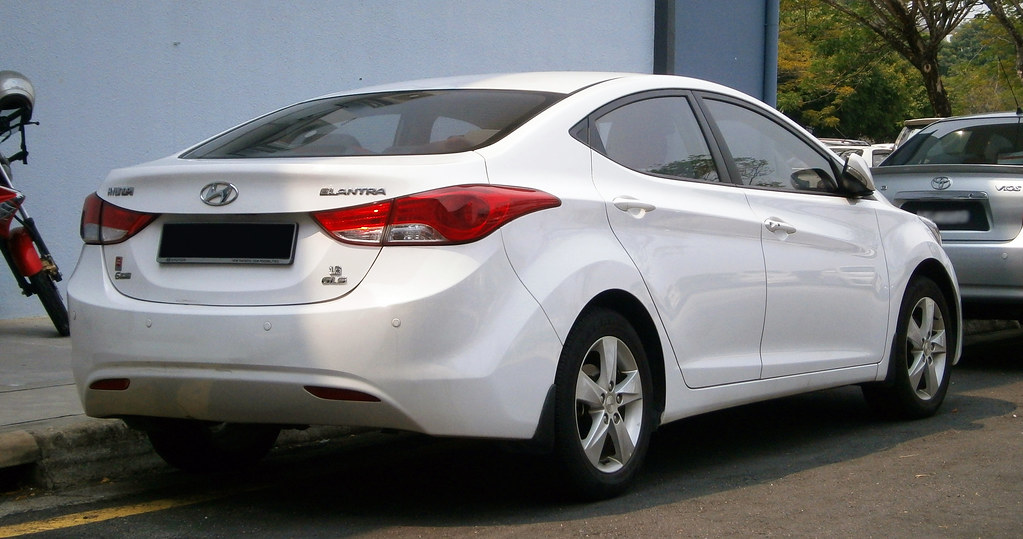
Image credit: Photo by Aero7MY via Openverse, licensed under CC BY-SA 2.0.