The pitch from pet insurance companies is seductive: a few dozen dollars a month and you never have to choose between your dog and your mortgage. The reality in 2026 is messier. Premiums have climbed faster than inflation for five straight years, reimbursement rates have tightened, and the average policyholder files fewer than one claim every three years. Many people are paying for coverage they will never use in a meaningful way. Here is how to decide whether pet insurance actually makes sense for your situation, and what to look at if you decide to buy.
The math most people skip
Start with a simple question: what would a worst-case year cost you? For a healthy adult dog, a serious accident (torn cruciate ligament, swallowed sock, hit-by-car) runs roughly $3,500 to $7,000 in the US. For a cat, the worst-case scenarios tend to be urinary blockages or kidney disease, both commonly $2,000 to $5,000 to treat. Multiply those numbers by the realistic chance of needing them over your pet’s life and you can build a rough budget.
If your emergency fund can absorb a $5,000 hit without flinching, insurance is mostly protecting you against a tail-risk event you could self-insure. If a $3,000 vet bill would land on a credit card at 22% APR, insurance shifts that risk onto a company for a monthly premium. That is the actual trade. The marketing materials never frame it that way.
When insurance tends to pay off
There are three situations where a policy is genuinely worth the premium.
- You own a breed with known genetic problems. French bulldogs, English bulldogs, Bernese mountain dogs, and several large breeds are statistical time bombs for orthopedic and cardiac conditions. A plan bought before symptoms appear can save tens of thousands over the dog’s life.
- Your pet is under three years old. The younger you enroll, the lower your locked-in premium and the broader your coverage. Most policies exclude anything that looks like a pre-existing condition, and insurers retroactively comb through vet records to find them.
- You have no savings cushion. If your combined household emergency fund is under $3,000, a $40 monthly premium is a rational substitute for savings you do not have.
When insurance is a waste
If you have $8,000 or more in liquid savings, a generally healthy mixed-breed adult animal, and a willingness to pay vet bills out of pocket, the insurance math usually works against you. The average US pet insurance premium for a dog in 2026 sits around $65 to $90 per month depending on the state, which is roughly $900 a year before any reimbursement. Over a 12-year dog life that is more than $10,000 in premiums paid. The median reimbursement per claim filed last year was under $400. Most policies return less in claims than they take in premiums across the pet’s lifetime.
Wellness add-ons make this worse. The $20 monthly rider that “covers” annual vaccines, dental cleanings, and flea prevention is almost always priced higher than buying those services directly at your vet. Wellness coverage is not insurance. It is a discount plan with extra steps.
How to read the fine print without losing your mind
Every insurer uses different terminology, but the landmines are the same.
- Waiting periods. Most policies impose a 14 to 30 day wait before coverage kicks in. A few impose 6 to 12 months for orthopedic conditions. If you enroll the day your puppy arrives and he eats a sock on day 10, you are paying out of pocket.
- Pre-existing condition exclusions. Anything diagnosed, or even suspected, before your policy starts is excluded forever. “Bilateral” exclusions mean if your dog tears one cruciate ligament, the other one is now a pre-existing condition when it inevitably goes.
- Reimbursement percentage and annual cap. “90% reimbursement” sounds generous until you learn the cap is $2,500 per year, after which the insurer pays nothing. Look for plans that pay a percentage of the actual bill with either unlimited payout or a cap of at least $10,000.
- The fee schedule trap. Some insurers pay based on “usual and customary” rates rather than your actual vet bill. A specialist in a major metro area may charge 40% above the insurer’s schedule, leaving you with the difference.
The self-insurance alternative
If you decide insurance is not the right tool, set up a dedicated pet savings account and auto-transfer the same premium amount into it every month. After two to three years you will have a thousand-plus dollar buffer. The money is yours, earns interest, and can be spent on anything that improves your pet’s life, not just what an insurer deems eligible. Some people use a high-yield savings account or a money market fund for this; the goal is to keep it psychologically separate from regular spending.
This approach fails when owners raid the fund for non-vet expenses, so the discipline of treating it as untouchable matters. Some banks let you nickname an account “DO NOT TOUCH – DOG” which is, embarrassingly, effective.
What to do if you do buy a policy
If the math favors insurance for you, four habits will get the most out of it.
- Pay premiums yourself and reimburse. Almost every plan lets you pay the vet directly and file the claim later. Do not let the insurer pay the vet, because most networks then restrict which providers you can see.
- File every eligible claim, even small ones. Insurers periodically audit accounts they have not heard from. A long gap in claims can trigger a coverage review.
- Re-shop every two years at renewal. Your loyalty is not rewarded. New entrants in the pet insurance market offer aggressive first-year pricing that beats most legacy carriers.
- Keep copies of every vet record. If you ever need to switch insurers, those records determine what gets grandfathered and what becomes a new pre-existing exclusion.
The honest answer
Pet insurance is a financial product that works well for a narrow set of owners: those with high-risk breeds, young animals, and thin savings. For everyone else it is mostly a subscription that exists to feel responsible. Run the numbers for your pet, your breed, and your actual savings before you let a cheerful ad make the decision for you.
A quick gut-check before you sign anything: if your emergency savings could not survive two months of unemployment without touching a credit card, you are almost certainly better off building that cushion first and treating pet insurance as a phase two purchase. The industry counts on people buying the policy to soothe an anxiety their bank balance would more cheaply address. Reverse the order and you usually end up ahead.
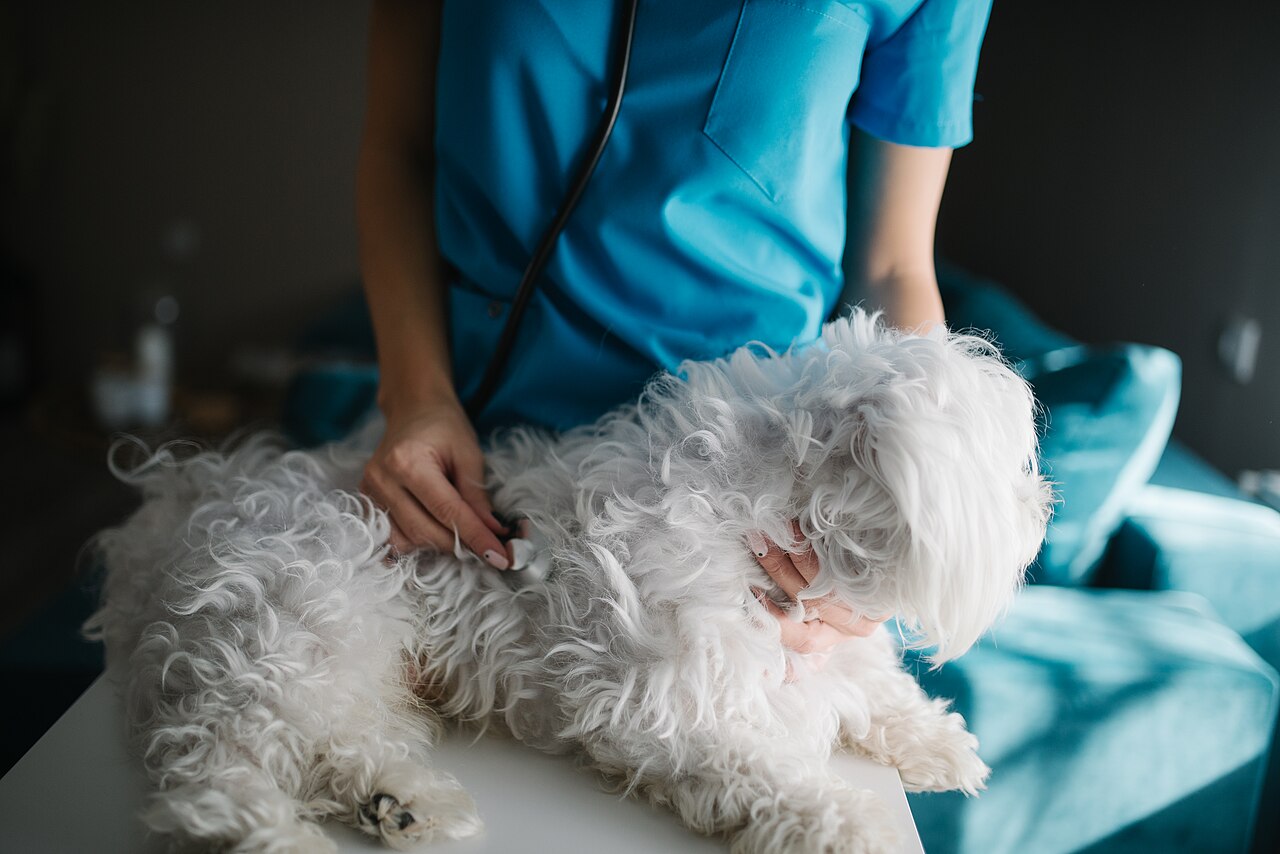
Featured image: veterinarian examining a small dog, by Nenad Stojkovic via Wikimedia Commons, licensed CC BY 2.0.