The cash price is often lower than your copay
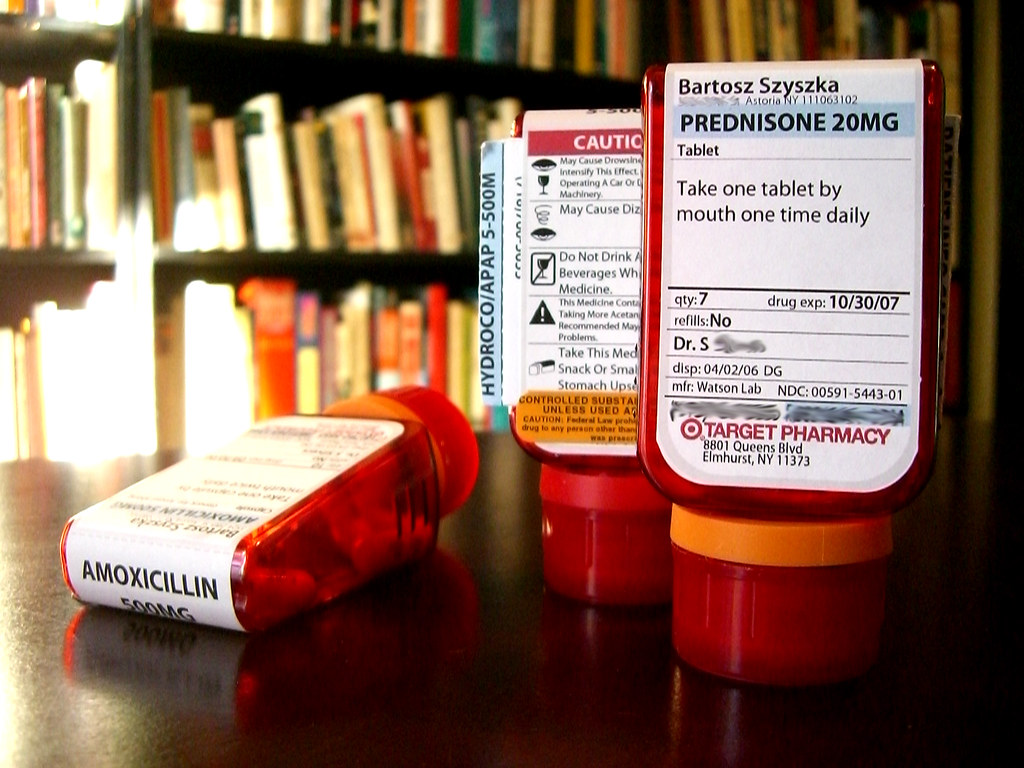
Most people assume their insurance copay is the lowest price they can pay for a prescription. It usually isn’t. Pharmacy benefit managers negotiate drug prices separately from what you pay at the counter, and the “discount” you get through insurance is sometimes smaller than the cash price the pharmacy would charge anyone walking in off the street.
A useful habit: every time you pick up a prescription, ask the pharmacist what the cash price would be. Then ask what your insurance copay is. Compare the two. For generic drugs especially, cash prices are frequently 40 to 80 percent lower than the insured price. Pharmacists are used to the question. They will not look at you strangely.
This is not a glitch. It is how the system works. Pharmacies charge insured customers more because the insurer (and its pharmacy benefit manager) takes a cut. If you pay cash, the pharmacy keeps the full margin and often still ends up making more than it would have after the split. Nobody is going to explain this to you voluntarily.
Discount cards work even if you have insurance
Three programs cover most generic prescriptions in 2026:
- GoodRx — the largest. Free, works at most U.S. pharmacies, often beats insurance copays on generics. The free tier shows the lowest available price at pharmacies near you. The paid tier adds a small additional discount and telehealth visits, but is not required.
- Cost Plus Drugs (Mark Cuban’s company) — sells direct with no PBM middleman. Limited formulary, but prices for many generics are the lowest you will find anywhere, including roughly $3.50 for a 30-day supply of sertraline and similar lows on dozens of common drugs.
- RxSaver and SingleCare — similar to GoodRx, sometimes lower for specific drugs. Worth comparing all three before filling.
Always check the price with at least two of these before paying. The price difference between programs for the same drug at the same pharmacy can be more than ten times. Also check which pharmacy the app recommends before you go. Prices vary by location, not just by chain.
Mail-order and warehouse pharmacies quietly beat everyone
If you take a maintenance medication for more than three months, switching to a 90-day supply almost always saves money. Costco, Walmart, and Amazon Pharmacy all allow cash customers to fill 90-day prescriptions. Costco’s pharmacy does not require a membership to use. You only need a membership to buy the $1.50 hot dog.
Amazon Pharmacy has become the surprise low-cost option for many generics. It compares your insurance price, Prime discount, and cash price automatically and lets you pick the lowest. For branded drugs not yet generic, it sometimes applies manufacturer coupons that brick-and-mortar pharmacies will not volunteer.
Walmart’s $4 generic list, now extended to a $10 tier for 90-day supplies of more drugs, is still one of the best cash deals in the country. Sam’s Club and a handful of regional grocery chains run similar programs. Ask at the pharmacy counter; the prices are not advertised.
Ask your doctor three questions
Doctors almost never volunteer cost information. Most patients leave appointments without knowing whether the prescription is going to cost $4 or $400. Bring up cost yourself. Three questions get you most of the savings available:
- “Is there a generic or a different drug in the same class that is cheaper?” Therapeutic equivalents often exist. If your doctor is prescribing a brand-name statin, almost any generic statin will get you most of the benefit at roughly 10 percent of the cost.
- “Can we use a 90-day prescription instead of monthly refills?” Doctors default to 30-day prescriptions out of habit. A 90-day script usually unlocks lower per-pill pricing and is almost always allowed by insurance.
- “Is there a manufacturer copay card or patient assistance program for this drug?” For brand-name drugs, manufacturers often pay most of your copay through their own programs. Your doctor’s office has the forms, or you can find them at the drug manufacturer’s website under “savings” or “patient assistance.”
For ongoing prescriptions, also ask your doctor to leave generic substitution allowed at the pharmacy unless a specific manufacturer matters. Many scripts arrive at the pharmacy with “dispense as written” by default, which blocks the cheaper generic.
Manufacturer assistance programs are real and underused
Drug makers have formal patient assistance programs that provide branded drugs free or near-free to people who qualify. Income limits vary, often 200 to 500 percent of the federal poverty level, sometimes higher. Two useful entry points:
- NeedyMeds.org — a nonprofit database that lists every manufacturer assistance program for every drug, with current eligibility rules and direct application links.
- Medicine Assistance Tool (MAT) — a partnership between major pharmaceutical companies, also searchable by drug name.
Application can be slow and paperwork-heavy. For ongoing medications, the time investment usually pays off within one or two fills. If you do not qualify by income, the drug manufacturer sometimes still offers a copay card that knocks your out-of-pocket to $25 or less per fill. Always ask.
When nothing works: insurance appeals and formulary tactics
If a drug is non-formulary on your plan and you are being asked to pay full price, your insurer is required to consider a formal appeal. Three moves help:
- Request a formulary exception with a letter of medical necessity from your doctor. Insurers approve a meaningful share of these, often more than half, when the doctor clearly states that covered alternatives will not work for you.
- Ask for a tiering exception if the drug is covered but on a high-cost tier. The same letter-of-necessity process applies.
- File an external review if the internal appeal is denied. Your insurer must tell you how. Independent reviewers overturn denials more often than most patients expect.
None of these are instant fixes. A typical appeal takes 30 to 60 days. But the savings on a single drug can run into thousands per year, and the appeals also reset your out-of-pocket accumulator, which can be its own win.
The real math
For a household taking three to five maintenance medications, the gap between what most people pay and what a careful shopper pays is commonly $1,500 to $4,000 a year. None of the moves above require changing doctors, changing insurers, or going without treatment. They require asking two or three questions the system is not designed to invite you to ask. The pricing is opaque on purpose. Patient behavior is what breaks it open.