Why the lease deserves an evening, not a glance
The average residential lease runs fifteen to forty pages. Most renters spend less than fifteen minutes with it, sign on the last page, and discover the costly parts six months later. The landlord almost always has a lawyer or property manager who has read every clause. You usually do not. That asymmetry is where renters lose money they did not have to lose.
Below are the clauses that cost real money in 2026, the ones that are genuinely negotiable, and the questions to ask before you hand over a deposit. None of it requires a law degree. It requires a highlighter and the willingness to push back.
The clauses that quietly cost the most
These are not the most dramatic-sounding provisions. They are the ones that show up on a charge sheet months after you move in.
Late fees and grace periods
Most states cap late fees, but the caps are loose. A five percent fee on rent that is five days late is common, and many leases add a flat fee that resets every billing cycle. Read whether the grace period is calendar days or business days, and whether the fee applies the day after grace ends or the day rent is due. Those distinctions can add forty to a hundred dollars a month if you slip once.
Rent escalation language
If the lease is twelve months, you expect a fixed rent. Read anyway. Many leases allow mid-term increases tied to property tax increases, insurance cost increases, or “changes in operating expenses.” A clause that lets the landlord raise rent to cover a property tax reassessment is real money, sometimes several hundred dollars a year, and it is buried on page fourteen of the lease you have not read yet.
Utility pass-throughs and submetering
Older buildings charge a flat utility fee. Newer ones pass through actual water, sewer, or trash costs, sometimes with a markup. Look for language about submetering, ratio utility billing systems (RUBS), or “tenant’s proportionate share” of building utilities. RUBS charges a fraction of the building’s total water bill based on unit count, which can run much higher than your actual usage.
Renter’s insurance requirements
Many leases require renters insurance with specific limits, often $100,000 in liability and the landlord listed as an “interested party.” Read the rider closely. The cheapest policy you can buy may not meet the lease, and a gap in coverage can become an eviction trigger.
Pet rent, pet deposits, and pet addenda
If you have a pet, the pet addendum is its own contract and frequently overrides the main lease. Watch for monthly pet rent that is higher than a real pet deposit amortized, weight limits that change when the animal grows, and clauses that charge for “pet damage” cleaning at move-out even with no damage. Pet rent in 2026 often runs thirty to sixty dollars a month per animal, and it rarely comes off the rent ledger.
Early termination
The early termination clause is the most expensive clause you will probably never use on purpose. A typical buyout is two months’ rent plus a reletting fee, and some leases let the landlord keep the entire security deposit on top. Read this even if you plan to stay forever. Job loss or a medical situation can change the math fast.
The clauses that are actually negotiable
In a tight rental market, nothing is technically negotiable. In a soft market, or when a unit has been vacant more than thirty days, almost everything is. The landlord wants a tenant more than they want their preferred wording.
Move-in costs
First month’s rent, last month’s rent, security deposit, and sometimes a key fee all hit at signing. In most states the deposit is capped at one or two months’ rent. If the landlord is asking for first, last, security, and a non-refundable “admin fee,” push back on the admin fee. It is almost always negotiable.
Lease length
A thirteen or eighteen-month lease is sometimes offered at a small discount, and a six-month lease can be negotiated for a premium. If you expect a job change or a home purchase, a shorter lease with a known premium is cheaper than a buyout later.
Move-out cleaning and carpet
“Professional carpet cleaning” at move-out is one of the most common deposit deductions. In many states it is unenforceable if the carpet is the same age and condition as when you moved in. Push for language that limits cleaning charges to actual damage above normal wear, and ask for a signed move-in condition report.
The fine print that hides the real risk
Some clauses rarely cost anything on their own, but they change your exposure.
Joint and several liability
If you have roommates, joint and several liability means each tenant is on the hook for the entire rent, not just their share. If one roommate disappears, the landlord can collect the full amount from you. Look for the words “jointly and severally” and ask for proportional liability if you are sharing with people you have not known for years.
Right of entry notice
Most states require twenty-four to forty-eight hours’ notice for non-emergency entry. Many leases shorten this to twelve hours or eliminate it for “maintenance and inspection.” Push for the state minimum and make sure “emergency” is defined narrowly.
Subletting and short-term rentals
If you ever need to travel for work and want to sublet, the subletting clause decides whether that is allowed. Some ban it entirely, some allow it with landlord approval, and a few specify that approval “shall not be unreasonably withheld.” That last phrase is the only version worth accepting if subletting is a real possibility.
Modifications and painting
If you want to mount a TV, hang heavy shelves, or paint a wall, the modifications clause decides what is allowed. Some leases allow picture hooks only, others require landlord-approved contractors for everything. Read this if you care about living comfortably and getting your deposit back.
The five questions to ask before signing
- What is the total move-in cost, broken down line by line, and which fees are refundable?
- Has the unit been vacant long, and is there flexibility on lease length or deposits because of that?
- What is the actual history of utility costs for this unit, not the building average?
- Can the early termination clause be capped at one month of rent plus actual reletting costs?
- Will the landlord accept the state-mandated minimum notice for entry, in writing?
Read the lease the night before you sign, not the morning of. Highlight anything you do not understand and ask in writing. Most landlords will answer a clear email, and the answers are evidence later. The goal is to know exactly what you agreed to, and to make sure the expensive surprises are the ones you accepted on purpose.
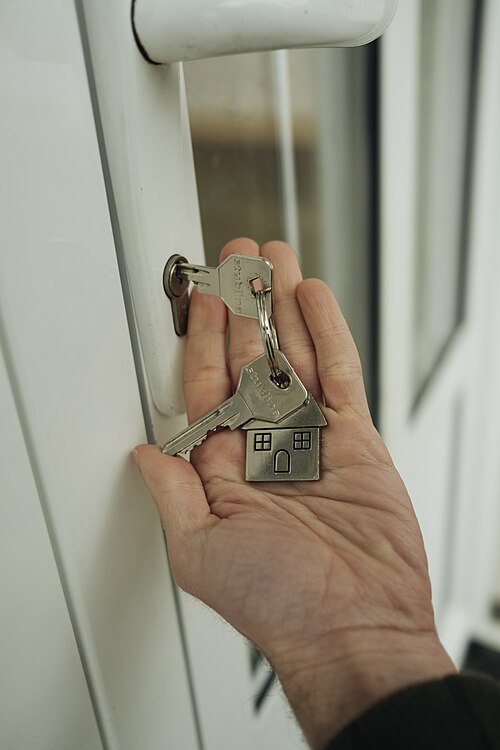
Photo: Shixart1985 via Wikimedia Commons, CC BY 2.0.