More than two-thirds of American adults do not have a will. The most common reason given in surveys is some version of “I don’t have enough to bother with,” followed closely by “lawyers are expensive.” Both assumptions quietly cost families a lot of money and a lot of stress when someone dies without one. In 2026, neither assumption is really true anymore. The tools to do a competent basic estate plan yourself are cheap, widely available, and legally valid in every U.S. state. The downside of doing nothing is no longer hypothetical.
A “simple estate” is one with no business interests, no out-of-state property, no blended-family complications, no special-needs beneficiaries, and a total value well below the federal estate tax exemption (about $13.99 million per person in 2026). If that describes you, a DIY plan is a reasonable choice. If it does not, you should be talking to a lawyer. Here is how to actually do the first one without getting it wrong.
What a basic estate plan actually has to contain
You need four documents, not one. The will is the part people fixate on, but on its own it does not do most of what people assume it does.
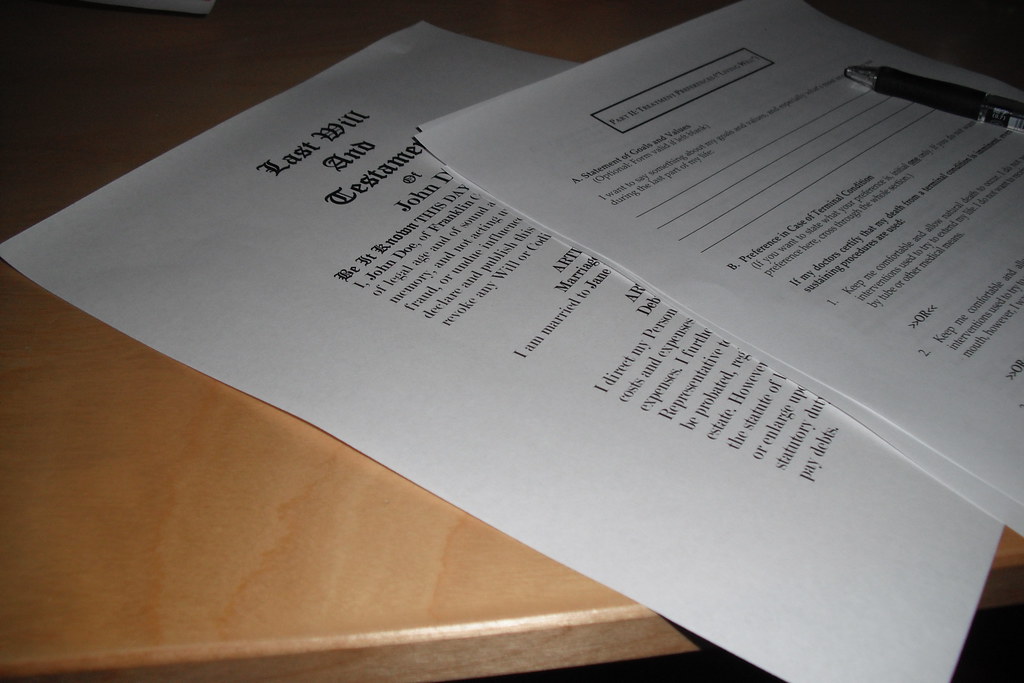
- Last Will and Testament: names who gets what, who serves as executor, and who becomes guardian for minor children. Without one, a state court distributes your property using its default rules, which almost never match what you would have wanted.
- Durable Power of Attorney for finances: authorizes someone you trust to handle bank accounts, bills, real estate, and investments if you become incapacitated. Without it, your family may have to petition a court to act on your behalf, which is slower and more expensive than anyone expects.
- Healthcare Power of Attorney (or Medical Proxy): names someone to make medical decisions if you cannot. It pairs naturally with a living will.
- Living Will: states your wishes about end-of-life medical treatment, including whether you want life support if recovery is unlikely.
That is the minimum. Beneficiary designations on retirement accounts and life insurance are not part of your will, but they override it, so they need to match your plan. Update them whenever life changes.
The DIY routes that are actually fine for simple estates
Three options deliver a competent result for most people without a full lawyer engagement. Pick one based on how much hand-holding you want.
Online template services such as Nolo, LegalZoom, Trust & Will, FreeWill, and Quicken WillMaker walk you through an interview-style questionnaire, then generate state-specific documents. Costs run from free (FreeWill, supported by donations) to about $200 for a full set. The output is a PDF you print, sign with witnesses, and store. For unmarried adults without kids and modest assets, this is genuinely enough.
State-bar-reviewed fill-in-the-blank forms are sometimes available through your state or local bar association website or your local library. They are free, but they assume you already understand the choices. Read everything twice before filling anything in.
A consultation-only attorney visit runs $250 to $500 for a one- to two-hour session in most markets. You bring your drafts from an online service and have the lawyer review them, answer specific questions, and flag anything state-specific you missed. This is the cheapest path that still gets you a professional sanity check.
The execution rules that trip people up
A perfectly written will is worthless if it is not validly executed. Every state requires the document to be signed in front of witnesses, usually two, who also sign. Most states require the witnesses to be disinterested, meaning they are not beneficiaries under the will. In many jurisdictions the will must also be notarized for a “self-proving affidavit,” which lets the probate court accept the will without having to track down the witnesses later. This is a small detail that regularly voids otherwise good wills.
Do not sign your will and mail it to a safe deposit box without the witnesses. Do not have your spouse be the only witness if your spouse is also a beneficiary. Do not sign it on a napkin. Do not write in pencil. Do not staple a separate document to it without noting the attachment. These are the small mistakes that turn into large arguments later.
What about joint ownership, beneficiaries, and trusts?
Property held in joint tenancy with rights of survivorship, retirement accounts with named beneficiaries, and life insurance policies all pass outside of probate regardless of what your will says. For simple estates, this is the easiest way to avoid probate entirely for major assets. Make sure the beneficiary designations are current and match your intent. A will that says “everything to my son” does nothing if your IRA still names an ex-spouse.
You almost certainly do not need a living trust. Living trusts are sold aggressively because they earn the seller fees, but for a simple estate they add cost and complexity with no real benefit. Skip them unless you own out-of-state property, have a blended family with unequal distributions, or genuinely want to keep the existence and contents of your estate private.
Storage, copies, and the people who need to know
A fireproof home safe is fine for the originals. A bank safe deposit box is mostly not fine, because after death the box can be sealed while your family waits for a court order to open it. Tell your executor and your healthcare proxy where everything is and how to get into it. Give them copies. Walk them through the documents once while you are healthy. A short handwritten letter explaining your choices, including why you picked the people you did, prevents arguments that no legal language can fix.
Review the plan every five years and after any major life event: marriage, divorce, new child, death of a named executor, or a move to a new state. Estate plans do not auto-update. The most expensive errors are always the ones that were not updated.
Not having a will in 2026 is a choice, and it is the most expensive one available. A simple plan costs less than a decent dinner for two. The probate court will write one for you when you die, but you will spend ten times as much in fees, time, and family argument to get there. Pick the template, write the documents, sign them correctly, tell the people who need to know, and stop paying the cost of doing nothing.
Image credit: “Last Will And Testament” by Ken_Mayer / Flickr / CC BY 2.0