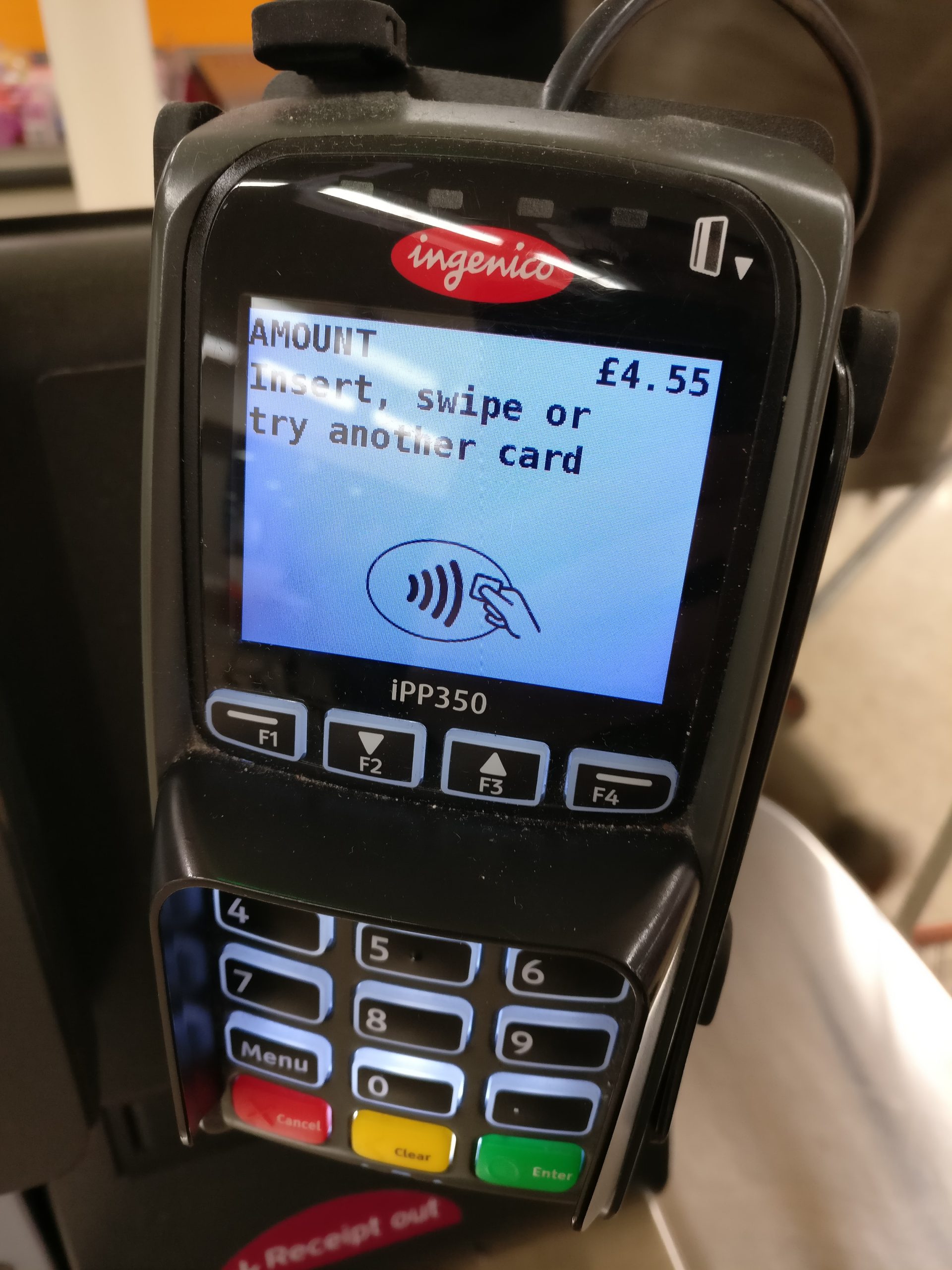
You pick up a coffee. The screen freezes on 18%, 20%, 25%. You tap a screen at checkout and a tip prompt stares at you before you’ve even confirmed your total. By the end of the month, you’ve left $47 in “tips” at places where you never used to tip, plus a handful of mysterious $3 “service fees” you don’t remember approving. Tip creep and the broader junk-fee economy aren’t a small annoyance — they’re a slow, frictionless leak that costs the average household somewhere between $400 and $900 a year, according to multiple consumer surveys in 2025 and 2026. Here’s how to plug the leak without becoming the person who lectures baristas about the minimum wage.
Where tip prompts came from, and why they’re worse in 2026
Tip screens migrated from restaurants to almost every face-to-face transaction sometime around 2018, then exploded during the pandemic when card readers needed contactless prompts. By 2026 the pattern is universal: bakery, smoothie shop, ride-share, hair salon, self-checkout at the grocery store, even the takeout pizza place that hands you a counter terminal. Three things changed at the same time.
First, vendors figured out that default-tipping screens raise per-customer totals by 12-18% with almost no complaint. Second, the default options crept from 15/18/20% to 18/20/22/25%, and the high option is now positioned as the “recommended” tap rather than the highest one. Third — and this is the part that actually changes the math — the prompts moved earlier in the checkout. They appear before the total is calculated, before loyalty discounts are applied, sometimes before you confirm what you’re even buying. You can’t tip a percentage on a number you can’t see.
The four junk fees worth fighting (and three to just pay)
Not every add-on is predatory. State and local recycling fees, sales tax the system adds at the end, and any fee the vendor clearly discloses before you tap aren’t junk. They’re the cost of doing business, and contesting them wastes everyone’s time. But these four are different.
- Card-not-present surcharges from small vendors. If a card reader is charging 3% to use a credit card, that’s the vendor’s choice and is usually disclosed only at checkout. In several states it’s illegal or capped. If you didn’t know, ask for it removed — most point-of-sale systems let the clerk void the line item with a single tap.
- Auto-gratuities for parties under six. A 20% “auto-gratuity” for a table of two at a sit-down restaurant is a tip prompt dressed up as policy. Ask for it removed; if the server says it’s mandatory, ask to speak to a manager. Most will fold. If they don’t, leave the original 18-20% on the base check, with no tip on the auto-gratuity itself.
- “Service fees” on takeout and pickup orders. If you walked into the store, picked up the food, and there is no server, there is no service. Push back at the counter — say “I’d like this removed; I’m doing the pickup myself.” About 70% of the time it disappears without a fight.
- Resort, destination, or “facility” fees at properties that don’t actually have a resort. If the line item doesn’t unlock a real amenity (working wifi, parking, gym, pool), it’s a fee hiding in plain sight. Ask the front desk to remove it at check-in. Some chains will; many won’t, in which case the move is to book through the chain’s loyalty program, which often waives the fee without asking.
The scripts that actually get charges removed
Polite specificity works better than outrage. Three scripts, all usable in real life without sounding like a Reddit thread.
- For tip screens: “No tip today, thanks.” Tap “custom,” type zero, move on. The four-second delay is the social cost, and it disappears after the third time. You don’t owe an explanation to a card reader.
- For surprise fees at checkout: “I didn’t see that on the menu or the estimate. Can you walk me through what it covers?” If the answer is vague, follow with: “I’d like it removed — I wasn’t told upfront, and I wouldn’t have agreed if it had been on the receipt.” Most clerks have a button for this exact conversation.
- For post-charge refunds on your statement: “Hi, I see a charge from [vendor] on [date] that I didn’t authorize or wasn’t disclosed clearly. Can you start a dispute? I’d like it removed while I sort this out.” Credit card issuers are legally required to investigate “billing error” disputes, and “I didn’t know I was paying this” qualifies. Most disputes resolve in 30-45 days, and merchants lose more often than you’d expect, because the dispute fee alone is usually $20-50.
Set a personal tipping policy and stop negotiating in your head
The real cost of tip creep isn’t the money — it’s the mental tax of running the same calculation 20 times a day. Pick a default. For most people in 2026, a workable rule looks like this.
- Sit-down full service: 18-20% on the pre-tax base check, regardless of what the screen suggests.
- Counter service and pickup: zero unless service was unusually good (a real problem solved, a custom order handled gracefully). Don’t tap a screen just because you’re standing in front of it.
- Delivery: flat dollar amount based on distance and weather, not a percentage of order. $4 for under two miles in good weather, $6 for longer trips or rough conditions. If you use a service weekly, the difference adds up; calculate it once and stop.
- Hair, nails, tattoo, massage: 20% to the person who actually did the work. If the business adds a “service fee” on top, ask where it goes. About half the time it does not go to the worker — in which case tip another tip directly and ask them to remove the fee next time.
- Self-checkout: never.
When to escalate, and when to walk
If a charge shows up on your statement that you didn’t approve and a vendor won’t refund it, dispute it through your card issuer within 60 days. Federal Regulation Z and its debit-card cousin Reg E give you the right to a documented investigation and a provisional credit while it runs. If the pattern repeats with the same vendor — the screen keeps defaulting to 25%, the auto-gratuity keeps appearing, the service fee keeps multiplying — switch vendors. The marginal cost of switching coffee shops, salons, or even doctors is usually smaller than the cumulative junk fees over a year.
The whole system is designed to make you forget. The fix is to pick a rule, write it down if you have to, and stop negotiating with a card reader that has no feelings.